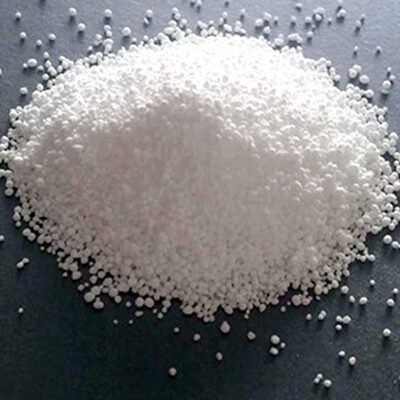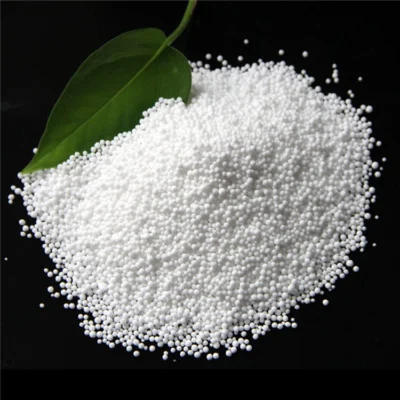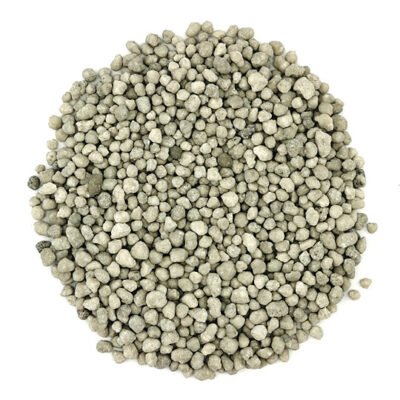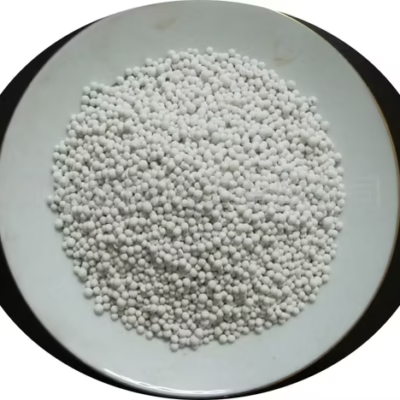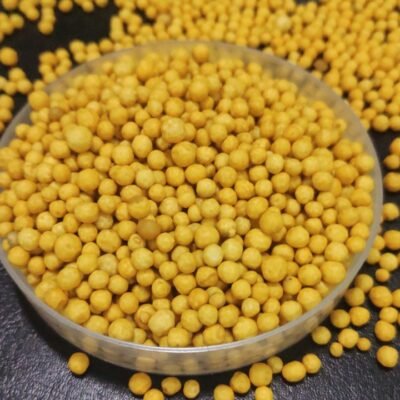

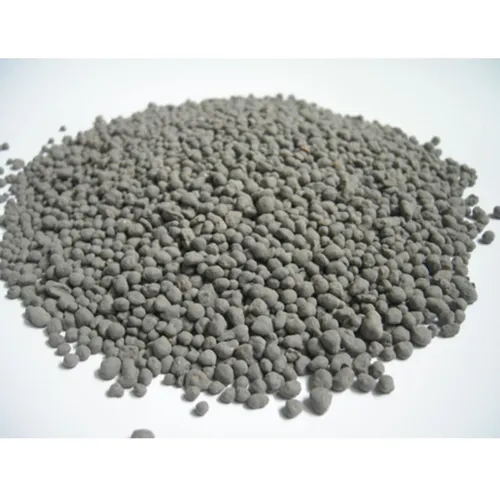
Description
Why Choose Boron Fertilizers?
Boron fertilizers play a crucial role in helping plants thrive by supporting their growth and development. Boron is an essential micronutrient that impacts cell wall formation, reproductive processes, and nutrient absorption, making these fertilizers an ideal choice for farmers and gardeners who want to maximize yields and ensure soil health.
Key Benefits
Tailored for both commercial agriculture and home gardening, boron fertilizers ensure balanced nutrient availability in the soil. With consistent application, they prevent boron deficiencies that can lead to weakened stems, reduced seed production, and stunted growth. A proper supply of boron promotes better flowering, fruiting, and vibrant foliage so your plants can reach their full potential.
Practical Usage & Applications
Boron fertilizers are versatile and work well across different crops, including vegetables, fruits, grains, and nuts. Whether you’re dealing with sandy soils or regions prone to mineral deficiencies, these fertilizers provide a simple solution to maintain optimal soil health. They’re easy to apply using methods like mixing with water, direct top-dressing, or incorporating into pre-existing blends.
Essential Functions:
Flowering and Fruit Setting: Boron is crucial for the development of flowers and the setting of fruits, leading to higher yields.
Cell Wall Development: It helps in the formation and stability of plant cell walls, contributing to overall plant health.
Nutrient Absorption: Boron aids in the absorption of other essential nutrients, such as calcium, improving overall plant nutrition.
Root Growth: Boron plays a role in root development, making plants more resilient to drought.
Sugar and Starch Balance: Boron is involved in the movement of sugars and carbohydrates within the plant, impacting overall plant metabolism.
Deficiency Symptoms:
Boron deficiency can lead to various problems, including:
- Cracked or hollow stems
- Poor fruit quality and size
- Stunted growth
- Discoloration and necrosis in leaves
- Reduced root elongation
- Poor pod set