
Tropical farming systems are productive but diverse. Coffee grown on a highland slope, bananas on a humid coastal plain and sugarcane on a large commercial farm do not share the same nutrient program. Choosing fertilizer for tropical crops should therefore begin with field information, not with a one-size-fits-all product.
Use soil and plant information
A soil test can identify pH, organic matter and available nutrients, while tissue analysis can help show what the crop is taking up. Results should be interpreted with crop stage, yield target, rainfall, irrigation and soil texture in mind. Work with a qualified local agronomist because recommendations must fit local conditions and regulations.
In Latin America, buyers often search for fertilizantes para cultivos tropicales, abono NPK, NPK para café or proveedor de fertilizantes agrícolas. Brazilian growers may use terms such as fertilizante para café, fertilizante para banana and adubo NPK. These phrases describe a need, but a full nutrient analysis is necessary before selecting a grade.
Coffee and cocoa
Coffee and cocoa nutrient demand changes with plant age, expected yield and the balance between vegetative growth and fruit production. Nitrogen and potassium are commonly important, while phosphorus, magnesium, sulfur and micronutrients may also need attention. Split applications can sometimes improve nutrient timing in high-rainfall areas, but the schedule should be based on local agronomic guidance.
Bananas and other fruit crops
Bananas remove substantial nutrients during growth and harvest, and potassium is often a central part of the program. Calcium, magnesium, sulfur and micronutrients may also matter depending on soil and water conditions. Consistent application and good water management are important. Review our potassium fertilizer options when preparing a product inquiry.
Sugarcane and maize
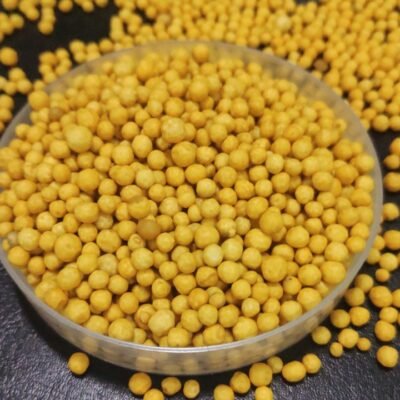
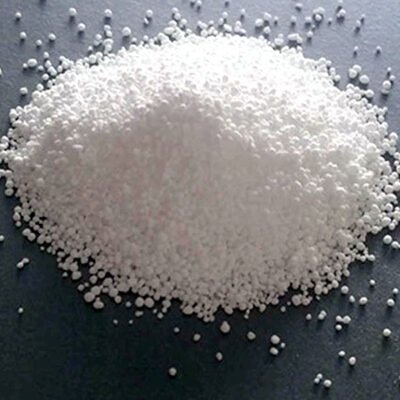
Sugarcane and maize programs usually consider nitrogen, phosphorus and potassium in relation to soil supply, expected yield and residue management. Application timing affects nutrient use, especially where heavy rainfall can increase loss risk. Compound grades can provide several nutrients in each granule, while straight fertilizers can give more flexibility when blending or applying nutrients separately.
Our compound NPK fertilizer range includes multiple grades for buyers to evaluate against their agronomic specifications.
Do not overlook micronutrients
Boron, zinc, iron, manganese, copper and molybdenum are required in smaller amounts than primary nutrients, but a deficiency can still limit crop performance. More is not always better: unnecessary micronutrient application can waste money or create imbalance. Diagnose the need first and select an appropriate source and rate. Buyers can explore micronutrient fertilizers for relevant product options.
Match the product to field conditions
- Choose a nutrient analysis that addresses measured crop needs
- Consider granular, soluble or other forms based on the application method
- Plan application timing around crop demand and rainfall
- Check compatibility before mixing fertilizers or applying through irrigation
- Store products dry and follow label and local safety instructions
Prepare a detailed supply inquiry
Importers and distributors should provide the crop, target market, product analysis, form, quantity, packaging and destination. If the request is for fertilizer for coffee, banana, sugarcane, cocoa or another tropical crop, include the agronomic specification rather than relying only on the crop name.
Thai Fertilizers supplies agricultural fertilizer products for international markets. Browse the online product range or contact us with your nutrient analysis and delivery requirements.