
European importers and distributors often compare fertilizer suppliers across several regions. A useful sourcing process looks beyond unit price and examines nutrient specification, physical quality, packaging, documentation, delivery planning and communication. This guide outlines the questions to ask when sourcing NPK, urea and specialty fertilizers for European markets.
Define the fertilizer specification
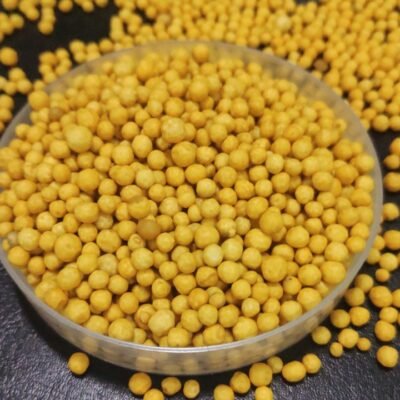
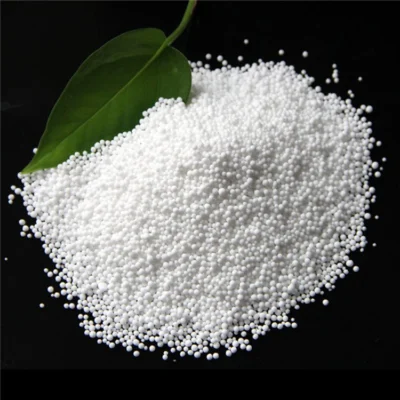
Begin with a clear product description. For compound NPK fertilizer, state the required nutrient ratio and whether secondary nutrients or micronutrients are needed. For urea fertilizer wholesale inquiries, specify prilled or granular form and any relevant quality parameters. Specialty fertilizers may include water-soluble grades, controlled-release products or crop-specific formulations.
Search terminology varies across Europe. Buyers may use fertilizer supplier Europe, NPK fertilizer exporter or agricultural fertilizer supplier. French buyers may search for fournisseur d’engrais or engrais agricoles, while German buyers may use Düngemittel Lieferant or NPK Dünger. The terminology is useful for discovery, but the written specification is what makes quotations comparable.
Check product and physical quality
Ask for the guaranteed analysis and available supporting documents. Physical properties also matter: particle size, moisture, caking tendency and granule strength can affect storage, blending and field application. Requirements should reflect the intended use and the buyer’s local standards.
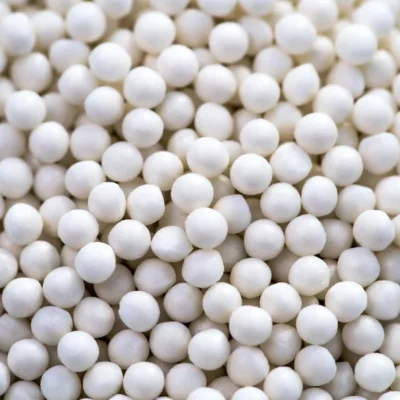
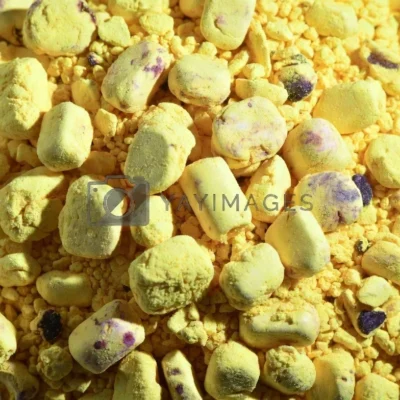
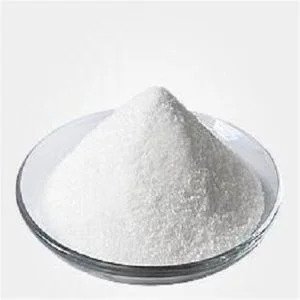
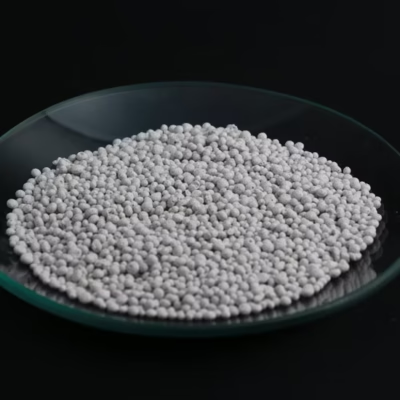
Thai Fertilizers offers compound NPK fertilizers, urea fertilizers and specialty fertilizer options. Availability and specifications should always be confirmed for each inquiry.
Confirm packaging and labels
Packaging requirements can differ by product and distribution channel. Include bag size, bag material, pallet preference and required label language in the request. Markets such as France, Germany, Spain, Portugal, the Netherlands and Italy may have different commercial and regulatory expectations. Importers remain responsible for confirming the rules that apply in their destination market.
- State the required net weight and packaging format
- Confirm the product name and nutrient declaration
- Specify label language and importer information
- Discuss palletizing, wrapping and container loading
- Confirm whether samples or pre-shipment inspection are required
Review documents before shipment
The required paperwork depends on the product, origin, destination and agreed commercial terms. Buyers commonly discuss the commercial invoice, packing list, transport document, certificate of analysis and certificate of origin. Additional documents or registrations may apply. Confirm the final list with your customs broker and relevant authorities before ordering.
Compare landed value, not just price
A lower product price can be offset by unsuitable packaging, inefficient logistics, storage losses or unclear documentation. Compare offers using the same product specification, quantity, delivery term and destination. Ask suppliers to identify what is included and excluded so the landed-cost calculation is meaningful.
Prepare an effective request for quotation
Include the product, analysis, form, quantity, packaging, destination port, desired delivery period and Incoterm. Mention any documentation or inspection requirements at the beginning. A complete request helps the supplier check feasibility and respond efficiently.
To discuss supply for Europe, review our fertilizer range and send our team an inquiry. Please include your target market and full specification so we can discuss suitable available options.